
Do Your Part Photo by Norman Burge

Do Your Part

Landowner Norman Burge manages property in both Texas and Curry County, New Mexico — and it was New Mexico’s shrinking water supply that convinced him playa restoration mattered. When a biologist pointed out a pit in one of his playas, Norman saw an opportunity to help recharge a water table that had already grown dangerously thin.

The restoration didn’t change much about his daily operation, since his acres have been in CRP for decades. But filling the pit changed how he understood playas. What once looked like a “leaky bowl” turned out to be a natural recharge system, something eastern New Mexico needs more than ever.

Norman has watched irrigation history transform over his lifetime. The loud engines that once powered wells across Curry County have gone silent, and wells that supported families and livestock are now dry. Even windmills on his own land no longer pump water.

He knows restoring one playa won’t solve the region’s water crisis, but it’s a step toward slowing the decline. “It’s just doing my part,” he says — a way to contribute, even on a small scale.

For Norman, stewardship means thinking long-term. Just as people plant trees for future generations, he believes restoring playas is an investment in New Mexico’s future.

Across the High Plains, Norman’s effort is part of a larger push to keep water and wildlife on the landscape — one restored playa at a time.

Playas Support Water Sustainability for Community Photo by Chas Isenhart

Playas Support Water Sustainability for Community

The city of Clovis and surrounding community depend on the Ogallala aquifer; however, it is rapidly being depleted. The city’s water assurance plan includes water conservation measures, the development of a pipeline from Ute Reservoir, and the restoration of playas. Healthy playas are a primary source of aquifer recharge, and also improve the quality of that water.

“The Ogallala Aquifer decline is something that is going to need to be addressed at a lot of city councils,” says Clovis Mayor Mike Morris. “My advice to other cities and other mayors would be have a plan, work that plan; but keep an open mind and be ready to implement new ideas that come along such as leveraging playa lakes as a way to recharge the aquifer.”

There are programs available to help landowners address groundwater depletion by restoring playas, implementing water saving technologies, and transitioning from irrigated farming. Learn more about playa conservation programs>>
Preserving a Working Ranch Photo by Chas Isenhart

Preserving a Working Ranch

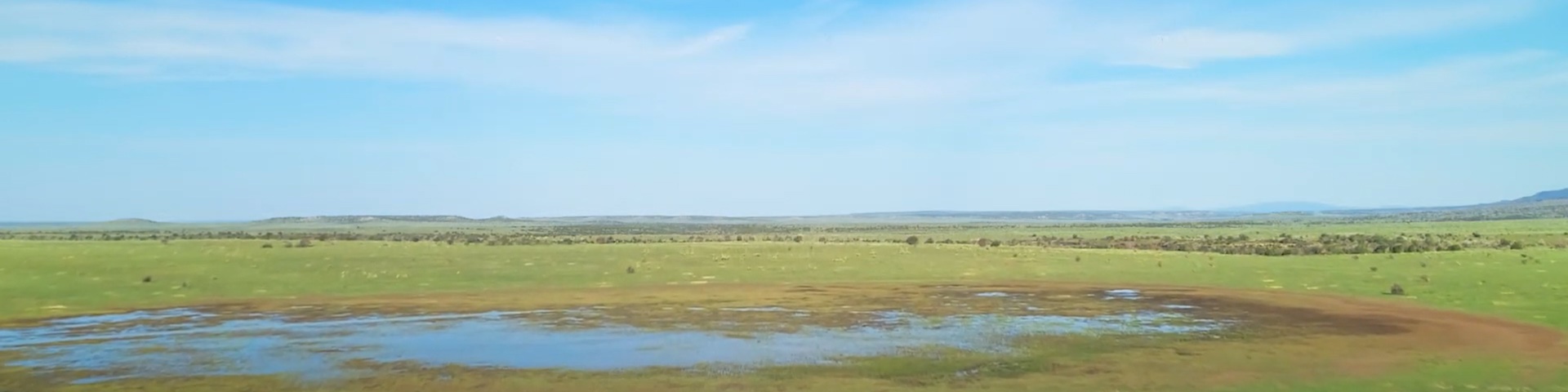
Greg Moore manages his 23,000-acre ranch in eastern New Mexico to support both cattle and wildlife. To ensure the playas and grasslands continue to be preserved, he worked with New Mexico Land Conservancy to put his ranch under a conservation easement. He has also restored playas by filling in pits and developed alternative water sources for his cattle.

“I just don’t think people understood what a playa does, what the nature of it is — and that’s be an infiltrator, that water going down,” says Greg. “The thing we didn’t understand was when you put a pit tank in there, you disturbed what that playa was supposed to do.”

There are many programs available to help landowners conserve and restore playas. Learn about playa conservation programs >>

For more information about conservation easements, visit NMLandConservancy.org.

Restoring Playas for a Better Future Photo by Chas Isenhart

Restoring Playas for a Better Future

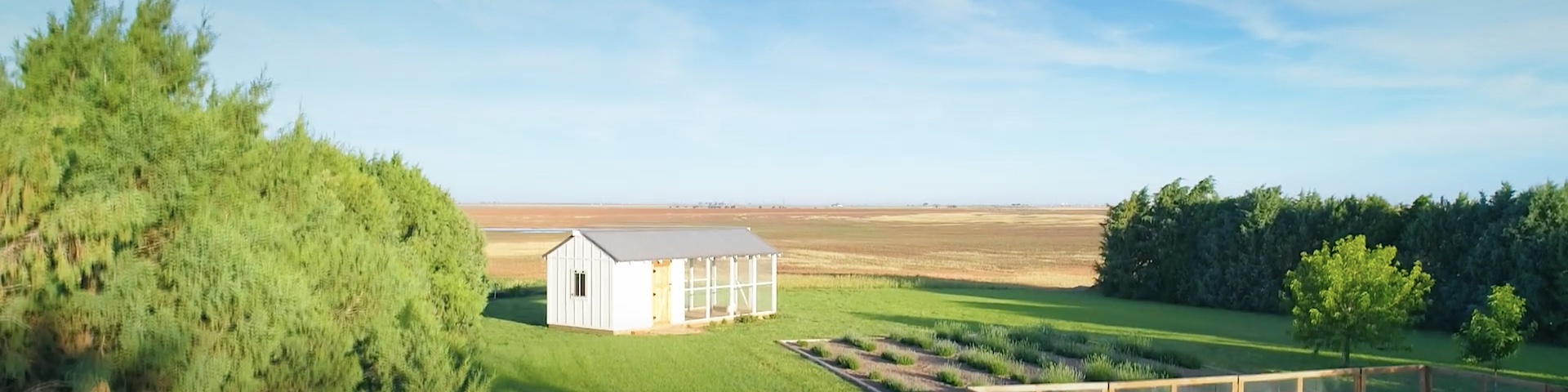
Pleasure Lake Farms is a family operation in eastern New Mexico. With drought and declining aquifer levels, Bo and Dru Stevens are adapting their farming practices for a sustainable future, including restoring a playa to support groundwater recharge and provide wildlife habitat.

“The only way I know of that our aquifer can recharge are through the playas,” says Bo. “I’ve learned and come to realize that you don’t fight against a playa and try to turn it into something that it’s not. A playa is not a place to grow crops. If we can get even a portion of the playas that we have around here to be back in their natural state, where they can recharge, we’re going to have a whole lot better future for agriculture and farmers as a whole.”

There are many programs available to help landowners conserve and restore playas. Learn about playa conservation programs >>